Leadership & management consultancy

Practical intervention when the stakes are real.

Hillier’s advisory proposition is grounded in first-hand experience: starting companies, scaling operations, navigating regulation, protecting payroll through crisis, redesigning business models and preparing ventures to succeed beyond a founder or transaction.

TurnaroundCrisis responseGrowthGovernanceExit readiness

The proposition

Advice from someone who has had to make the decision, fund the decision and live with the result.

The value is not another report that describes the problem. It is a clearer route from diagnosis to action.

Hillier’s strongest contribution is to founder-led and owner-managed businesses at an inflection point: rapid growth without enough infrastructure, underperformance that has become normalised, a regulatory change that threatens the old model, a crisis that compresses decision time, or an exit that exposes how dependent the company remains on one person.

The work is direct, commercially focused and implementation-aware. Financial information, customer reality, people capability, process and risk are considered together — because real turnarounds fail when one of those elements is treated as someone else’s problem.

Where he adds value

Six common assignments.

An engagement can be a focused diagnostic, a defined transformation programme, a board-advisory role or hands-on support through a critical period.

01

Turnaround & stabilisation

Establish what is genuinely happening to cash, margin, delivery and customer confidence — then create a recovery plan that the management team can execute.

  • 13-week cash and working-capital focus
  • Profitability by customer, product and channel
  • Immediate operating priorities
  • Management cadence and accountability

02

Crisis leadership

Create a small number of reliable facts, a faster decision rhythm and communication that keeps staff, customers and funders aligned.

  • Scenario planning
  • Liquidity and continuity
  • Regulatory interpretation into operations
  • Stakeholder messaging
03

Commercial reset

Clarify what the company sells, why customers should choose it, where margin is created and which legacy activity no longer deserves resource.

  • Proposition and pricing
  • Sales operating model
  • Client segmentation
  • Retention and service design
04

Scale without losing control

Translate founder knowledge into processes, systems, data and management capability that allow the company to grow without becoming brittle.

  • Operating structure
  • Technology and automation priorities
  • Management information
  • Roles, decisions and delegation
05

Compliance-led transformation

Use regulation as a design constraint and a trust advantage, rather than treating it as a late-stage legal check.

  • Supply-chain and product risk
  • Evidence and audit trails
  • Customer communication
  • Controls that support growth
06

Exit & succession readiness

Reduce dependency on the founder and improve the qualities that make a business transferable, financeable and capable of thriving after a handover.

  • Governance and due-diligence readiness
  • Reliable financial narrative
  • Customer and supplier transferability
  • Leadership bench and transition plan

The operating method

Five moves from uncertainty to durable improvement.

Not every assignment follows a neat sequence, but the discipline prevents activity from being mistaken for progress.

01

Stabilise

Protect cash, service, payroll, key people and critical customer relationships.

02

Diagnose

Replace assumptions with a small set of commercial, operational and risk facts.

03

Simplify

Choose the priority market, product, process and decision structure. Stop work that dilutes the recovery.

04

Mobilise

Give named leaders clear outcomes, deadlines, measures and authority to act.

05

Secure

Embed the systems, governance, management depth and evidence that keep the gains in place.

Evidence from experience

Three transformations behind the advisory perspective.

These are not invented consultancy case studies. They are episodes in businesses Hillier founded and led.

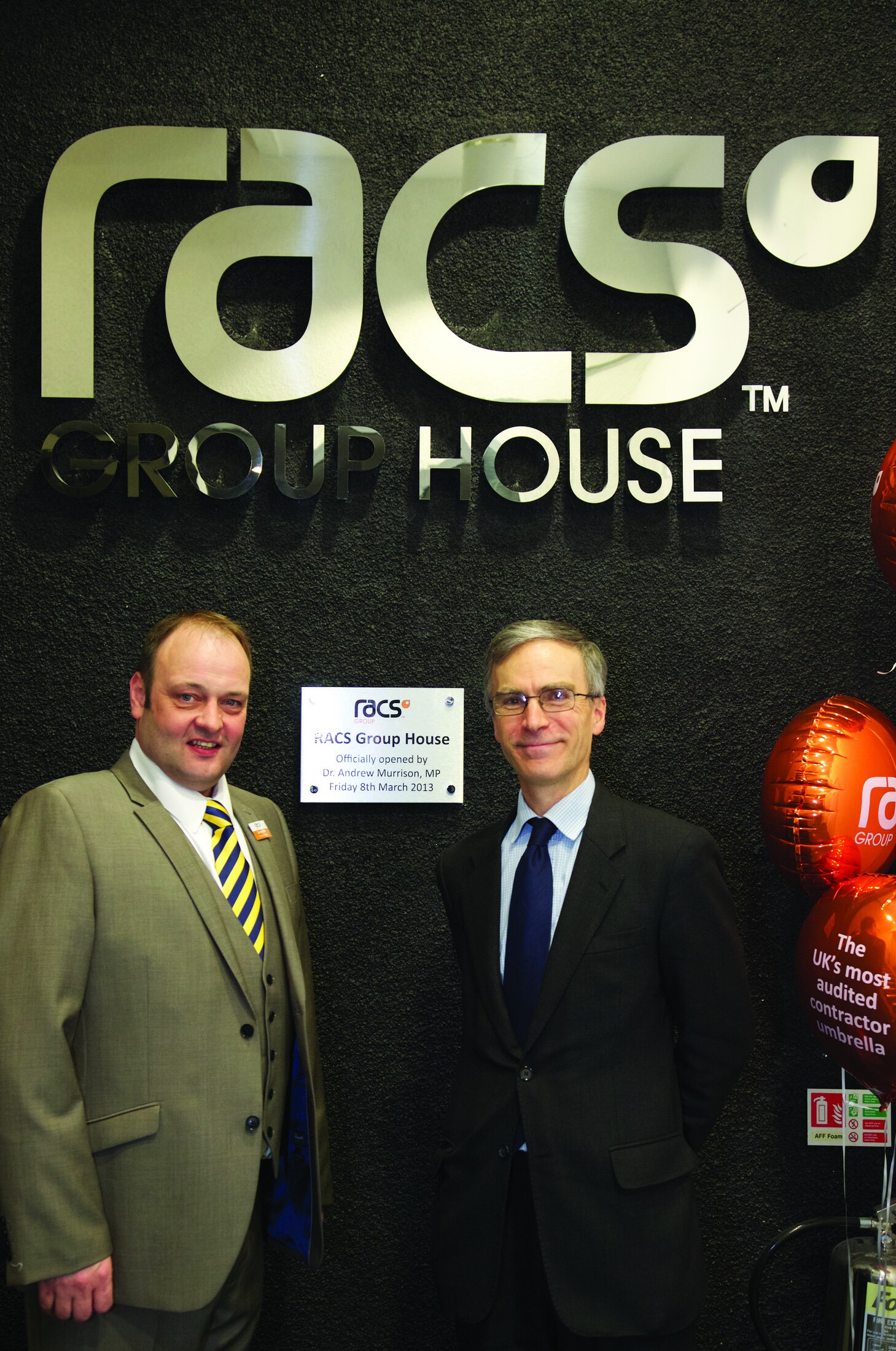
Opening of RACS Group House
Scale · systems · management

From spare room to national operating platform

RACS developed from a small education-payroll venture into a multi-sector group with bespoke software, specialist departments, substantial premises and a national client base. The 2016 biography records turnover above £150 million and more than 100 staff at that point. S1

Advisory insight: founder intensity creates the first growth. Systems, management information and trusted leaders create repeatable growth.

Fast Track 100 award photograph
Regulation · product redesign

The 2016 legislative pivot

When tax changes threatened a core payroll product, the response was to redesign the proposition around what remained lawful and valuable, supported by legal input, technology, training and a sustained communication programme. S1

Advisory insight: do not confuse a familiar product with the customer need it was originally created to serve.

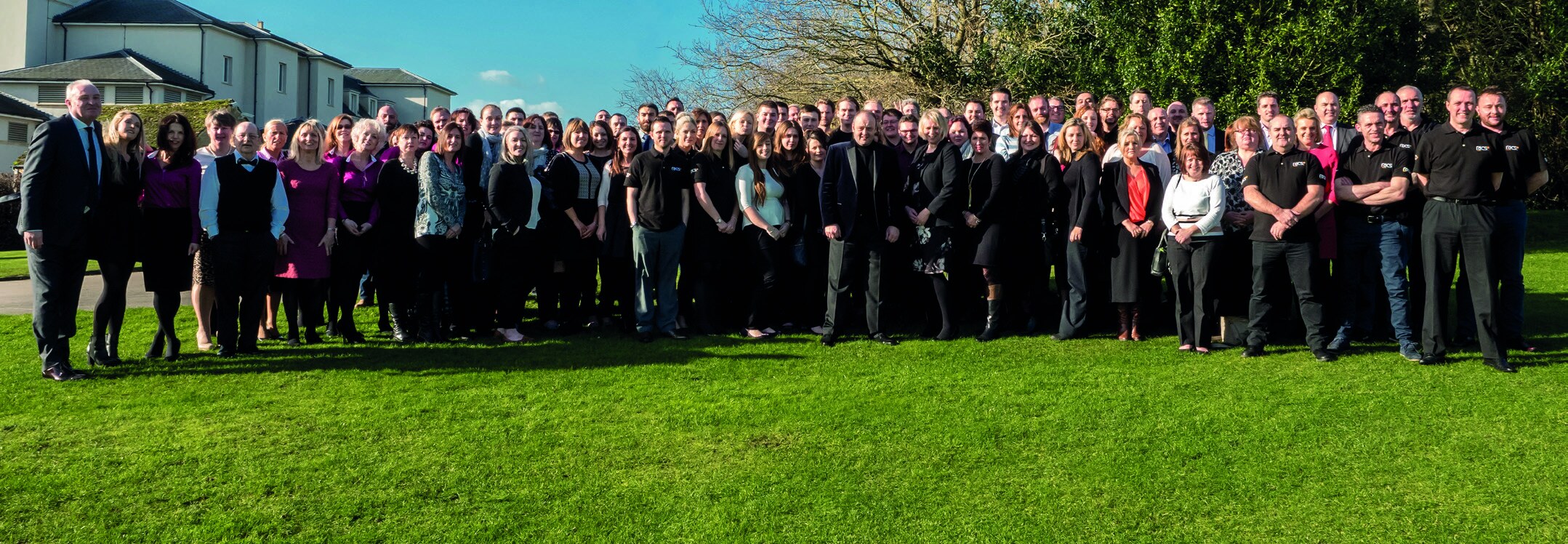
Historic team group photograph
Crisis · liquidity · trust

The 2020 furlough response

People Group reports that it moved into CJRS support within a week, advanced weekly payments, processed more than £12 million and passed audit. The operational challenge combined technical interpretation, funding and communication to thousands of people. S4 S19

Advisory insight: a crisis plan is credible only when policy, cash and delivery reach the customer at the same time.

COVID-19 and furlough

What coming through stronger actually requires.

Survival measures matter. So does using the crisis to improve the business that emerges.

  • 1Protect the obligation that cannot fail. In payroll, that is the correct payment reaching the right person at the promised time.
  • 2Interpret guidance as an operating process. Legal understanding must become eligibility rules, data, approvals, cash forecasts and communication.
  • 3Make liquidity visible daily. A profitable business can still fail if reimbursement timing and working capital are misunderstood.
  • 4Communicate before certainty is perfect. Say what is known, what is not, what happens next and when the next update will arrive.
  • 5Keep the improvements. Better data, faster meetings, clearer ownership and stronger digital service should remain after the immediate crisis.

Business exits and succession

An exit is successful only if the business remains capable after the event.

The TWH Holdings-supplied biographical account records several successful business exits and transitions, with successor operations continuing to trade. The identities, transaction values and detailed terms of private deals have not been published in the sources reviewed for this website, so they are not presented as independently verified case studies.

The useful lesson is nevertheless clear. A durable exit is built before the buyer arrives. It requires a company whose value is not trapped solely in the founder’s memory, personality or personal relationships.

  • 1Clean, explainable numbers with no avoidable surprises in working capital, liabilities or revenue quality.
  • 2Transferable customer value supported by contracts, service data and relationships beyond the founder.
  • 3A management team with authority rather than job titles that still route every decision to one person.
  • 4Documented systems and controls that a new owner can understand and trust.
  • 5A thoughtful handover that protects people, customers and the culture worth retaining.
Current portrait of Terence Hillier

The current role

Founder experience applied as management consultancy.

Hillier’s value is strongest where a business needs a practical route through a difficult turn: stabilising cash, redesigning operations, strengthening management information, responding to legislation, preparing for succession or converting a crisis into a better operating model.

The TWH Holdings brief also records several completed business exits and transitions whose successor operations continue to trade. Private transaction details are not reproduced as public case studies without documentary support or permission.

Working style

What a client or board should expect.

The approach is energetic and candid. It is designed for organisations that want movement, not theatre.

01

Direct questions

What are we protecting? Where is the cash? Which customers create value? What decision are we avoiding? Who owns the next move?

02

Visible facts

A small, trusted dashboard beats a large presentation. Measures must connect to cash, customer outcomes, risk and execution.

03

Board-level challenge

Assumptions are tested, circular conversations are shortened and the group is brought back to the commercial decision.

04

Hands-on implementation

The plan is translated into workstreams, owners, dates and dependencies rather than left at the level of recommendation.

05

People with accountability

Teams are trusted with responsibility and expected to report progress plainly. Support and challenge are applied together.

06

Confidentiality

Private transactions, client circumstances and personal information remain private. Published claims are separated from confidential experience.

TWH Holdings Limited

Bring the difficult issue into the open.

A useful first conversation should identify the decision, the evidence already available, the people affected and the cost of waiting.

Start the conversation